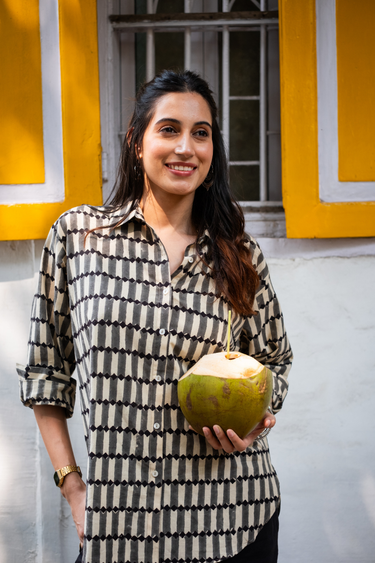



Ajrakh printing isn’t just a craft; it’s a vibrant journey through time. Originating from the heart of Gujarat’s Kutch region, this centuries-old block printing technique beautifully blends tradition with artistry, creating textiles that tell a rich cultural story. Explore the fascinating process, history, and revival of Ajrakh, and see how it’s thriving in the modern world while staying true to its roots.
Origins & History of Ajrakh Printing
Ajrakh printing dates back over 5,000 years, with its origins deeply rooted in the Indus Valley Civilization. Traces of block printing techniques from the ancient Mohenjo-Daro civilization hint at its early beginnings. The name "Ajrakh" is derived from the Arabic word 'Azrak', meaning blue, a key color in this craft. The art of Ajrakh is known for its unique blend of colors, especially the rich hues of blue, red, and white. While the practice spread across regions, it became most prominently associated with Kutch, Gujarat, where artisans refined the techniques and passed them down through generations.
Over time, Ajrakh printing evolved, becoming an integral part of the Khatri community's cultural identity in Kutch. Artisans employed traditional methods such as block printing and resist dyeing, using natural dyes like indigo for blue and madder for red. Ajrakh fabric was traditionally worn during festivals and weddings, where its intricate patterns symbolized social status and pride. Today, the craft continues to hold cultural significance, blending the ancient techniques with modern design, ensuring that Ajrakh remains a treasured textile art for generations to come.
The Traditional Process of Ajrakh Printing
Ajrakh printing is a detailed, multi-step process that requires skill and patience.
1. Preparation of Fabric: The fabric, usually cotton or silk, is washed to remove impurities, ensuring the dye absorbs evenly.
2. Printing with Blocks: Skilled artisans use carved wooden blocks to stamp intricate patterns onto the fabric. These designs often feature geometric shapes, floral motifs, and symbolic patterns.
3. Dyeing: Natural dyes, including indigo for the classic blue, madder for red, and other herbal dyes, are used. The dyeing process is repeated several times to ensure vibrant and long-lasting colors.
4. Resist Techniques: A resist paste is applied to sections where the dye should not penetrate, creating sharp contrasts in color and intricate designs.
This meticulous process requires incredible skill and patience, with each step carefully executed to achieve the perfect result.
Cultural and Regional Significance
Ajrakh is deeply ingrained in Kutch culture. Traditionally, it’s worn by local communities during festivals, weddings, and in daily life. Ajrakh prints are worn as shawls, turbans, and kurtas, symbolizing pride and cultural heritage. Beyond fashion, Ajrakh also finds its place in home textiles, like bedspreads and curtains. Its intricate designs and rich colors have made it a favorite among interior designers globally.
Ajrakh Printing in the Modern Era
In recent years, Ajrakh has experienced a revival. Through efforts by local artisans, NGOs, and designers, Ajrakh has found new life in modern fashion and interior design. With the rising interest in sustainable fashion and handmade textiles, Ajrakh is once again appreciated for its heritage value. Designers are incorporating Ajrakh into contemporary apparel and home décor, experimenting with new motifs while staying true to traditional techniques. This revival not only keeps the craft alive but also ensures that artisans can continue to pass down their skills for generations to come.
How Cotton Cottage Preserves Ajrakh Prints in Their Collection
At Cotton Cottage, Ajrakh printing is more than just a design; it’s a way of preserving a rich cultural heritage. We work closely with skilled artisans who still use traditional techniques, like hand block printing and natural dyes, to create each unique piece. The vibrant Ajrakh patterns, passed down through generations, are brought to life in modern, stylish pieces that everyone can enjoy.
By incorporating these timeless prints into everyday clothing, Cotton Cottage helps keep the art of Ajrakh alive. Each garment is a blend of tradition and contemporary design, making sure that the beauty and craftsmanship of Ajrakh are not only preserved but also celebrated in today’s world of fashion.
Conclusion
Ajrakh printing is more than just a textile craft, it’s a rich cultural legacy, woven into every thread. By supporting artisans who preserve this ancient technique and promoting sustainable, handmade fashion, we ensure that Ajrakh’s beauty continues to thrive for years to come. It’s not just fabric; it’s history, culture, and artistry captured in every print.
FAQs
What is Ajrakh printing?
Ajrakh printing is an ancient form of block printing, predominantly practiced in Gujarat. It involves intricate designs and the use of natural dyes like indigo and madder.
Why is Ajrakh printing significant to Indian culture?
Ajrakh holds cultural significance, especially in Gujarat, where it is used in traditional attire for festivals and weddings, symbolizing cultural pride and heritage.
How has Ajrakh printing evolved in the modern era?
Ajrakh has evolved through collaboration with contemporary designers and by adapting to modern fashion trends, while still preserving traditional techniques.
What challenges do Ajrakh artisans face today?
Ajrakh artisans face challenges like low wages, limited resources, and competition from machine-made textiles, threatening the preservation of the craft.
What is the future of Ajrakh printing?
With increasing global interest in sustainable fashion, Ajrakh has the potential to grow, especially through collaboration with modern designers and the integration into global markets.