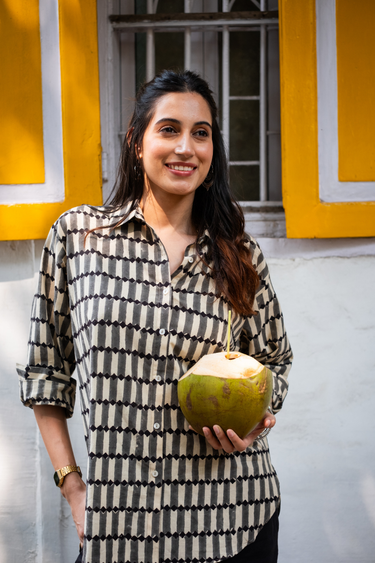



Khadi isn’t just a fabric. It’s a story of freedom, resilience, and unity. The fabric that was once woven with the hopes of a nation’s fight for independence continues to carry the spirit of India’s struggle for self-reliance, even today. In this blog, we’ll take a journey through the rich history of Khadi and understand how it became India’s freedom fabric.
What is Khadi?
So, what exactly is Khadi? At its heart, Khadi is a handwoven fabric made from cotton, silk, or wool. You might picture it as a simple piece of cloth, but in reality, Khadi is much more. It carries centuries of history and symbolizes India’s independence movement. Unlike modern, machine-made fabrics, Khadi is woven by hand using a charkha (spinning wheel). It’s a symbol of how something as simple as spinning cotton can be powerful enough to challenge an empire.

The Role of Khadi in India’s Fight for Freedom
Let’s take a step back in time. India was under British rule, and British-made textiles were flooding our markets, putting local weavers out of work. This was the moment Mahatma Gandhi saw an opportunity to fight back not with weapons, but with the spinning wheel.
Gandhi urged Indians to take up the charkha and spin their own fabric. By doing so, they would stop buying British-made goods and reclaim their self-reliance. Wearing Khadi wasn’t just about fabric; it was a silent protest. It was a message saying, “We can be self-sufficient. We don’t need foreign goods.”
The Cultural and Economic Revolution of Khadi
Khadi’s impact wasn’t just political; it sparked a cultural and economic revolution too. By promoting Khadi, Gandhi helped revive the ancient tradition of handwoven textiles that had been slowly dying under colonial rule. Khadi’s rise also helped fuel the rural economy. As more people took up spinning and weaving, it created jobs and empowered rural communities. It wasn’t just a fabric; it was a movement that made people feel connected to their heritage.
In a way, Khadi represented the essence of India’s self-sufficiency. By embracing it, we were not only fighting colonialism but also embracing our traditions, culture, and way of life.
How Khadi is Changing the Clothing and Lifestyle Industry Today
Now, here’s the interesting part. Khadi is making a comeback in today’s world. It’s not just for the traditional wear; it’s becoming a fashion statement. In fact, Khadi is now a key player in the sustainable fashion industry. It’s a perfect example of how something timeless can blend with modern trends.
Fashion That Speaks to the Heart
Today, designers are reinventing Khadi, using it in chic, contemporary styles that appeal to modern sensibilities. Whether it’s a stylish Khadi kurta or a casual Khadi shirt, the fabric is making its way into urban wardrobes. Popular designers like Sabyasachi Mukherjee and Anita Dongre are weaving Khadi into their collections, showing the world that it’s not just about tradition, it’s about modern elegance with a purpose.
Khadi in Fashion: More Than Just Clothing
Khadi is also branching out into the Fashion industry. From Khadi bed linens and cushion covers to home décor, the fabric is now part of our daily lives. It's helping people bring a touch of handmade artistry into their homes while supporting local artisans.
Eco-Friendly Fashion: A Return to Simplicity
Khadi has found a perfect fit in the modern world’s growing demand for eco-friendly fashion. With the negative environmental impacts of fast fashion, Khadi offers a sustainable alternative. The process of hand-weaving Khadi uses minimal energy and is far more eco-conscious compared to mass-produced fabrics. It's a green revolution that allows us to wear fashion that doesn’t cost the Earth.
Why Khadi Still Matters
Khadi isn’t just a piece of fabric. It’s freedom, it’s self-reliance, and it’s sustainability. From being a tool in India’s fight for independence to its place in modern, eco-friendly fashion, Khadi continues to inspire. It’s a reminder that even the simplest of things can hold great power.
So, the next time you choose to wear Khadi or use it in your home, remember it’s not just about the fabric. It’s about honoring a legacy that has stood the test of time, one that continues to speak to us in today’s world.